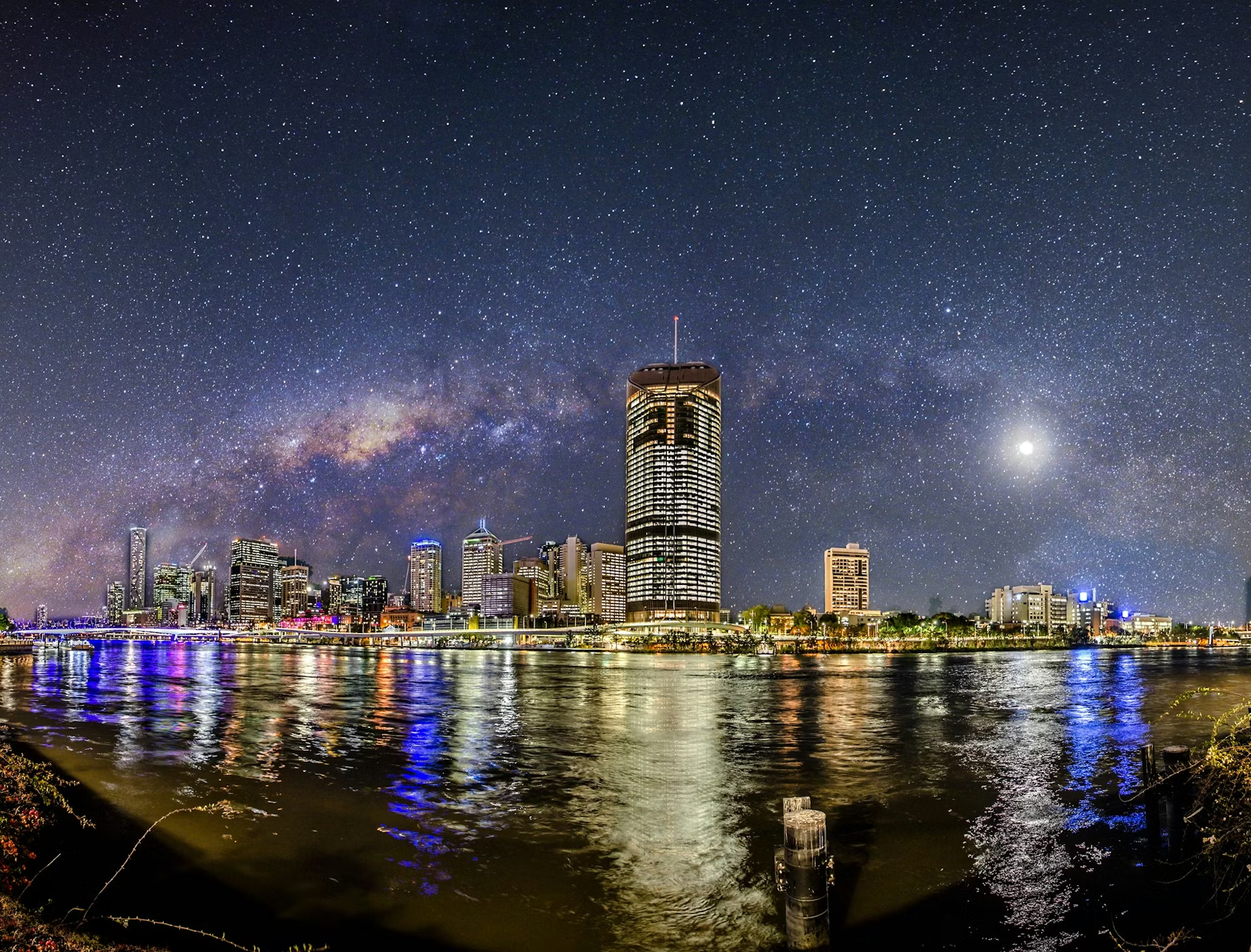
Skyscrapers are more than just towering symbols of modern architecture; they are integral to the economic, social, and environmental fabric of contemporary cities. As urban populations continue to grow and cities expand both vertically and horizontally, skyscrapers have emerged as pivotal components in the global economy. Their influence reaches far beyond the real estate market, impacting everything from job creation to investment strategies, sustainability efforts, and the very identity of cities themselves.
In this article, we will explore how skyscrapers have become key drivers of urban growth and financial stability. We’ll discuss their role in shaping the real estate market, their impact on business and finance, and how innovative building designs are paving the way for a sustainable and economically viable urban future.
Skyscrapers as Economic Engines: The Role of Real Estate Investment
The real estate sector has long been a cornerstone of the global economy, with skyscrapers representing some of the most significant assets in urban markets. Commercial office towers, residential high-rises, and mixed-use skyscrapers generate billions of dollars in real estate transactions annually, contributing significantly to the financial health of cities. The value of these high-rise buildings often reflects the overall economic health of a city, with demand for space driving property values, rents, and investments.
For investors, skyscrapers represent both a stable source of income and a high-growth opportunity. Large institutional investors, such as real estate investment trusts (REITs), pension funds, and sovereign wealth funds, are often drawn to skyscrapers because of their potential for long-term value appreciation. These towering structures are typically located in prime real estate areas, such as central business districts and upscale neighborhoods, which increases their potential for rent generation.
In cities like New York, Tokyo, and London, office towers and residential skyscrapers are some of the most lucrative assets in real estate. The combination of location, infrastructure, and demand for space makes them highly attractive investments. Investors can earn consistent returns from the rental income generated by office leases, apartment rentals, and commercial spaces. Additionally, the potential for these buildings to appreciate in value over time ensures that skyscrapers remain a cornerstone of real estate portfolios worldwide.
Mixed-Use Skyscrapers: The Future of Urban Living and Workspaces
In recent years, mixed-use skyscrapers have become a growing trend in urban development. These high-rise buildings combine multiple functions, such as office space, residential apartments, retail outlets, and recreational areas, all within one vertical structure. The concept of mixed-use skyscrapers is particularly appealing in cities where land is scarce and expensive, as it maximizes the use of limited space while providing a diverse range of services and amenities.
For real estate developers, mixed-use skyscrapers present a unique opportunity to cater to the evolving needs of modern urban populations. The integration of different functions within one building allows developers to appeal to a wide range of tenants, from businesses seeking office space to individuals looking for convenient living solutions. Mixed-use buildings also foster greater community engagement, as residents and workers can easily access retail, dining, and entertainment options without leaving the building.
From a financial perspective, mixed-use skyscrapers offer a diversified revenue stream. For example, income generated from commercial office space can offset the costs associated with residential units, while retail spaces provide additional cash flow. This diversification helps to minimize risks, especially in uncertain economic climates, making mixed-use skyscrapers an attractive investment for both developers and institutional investors.
Residential Skyscrapers: Luxury Living in Vertical Cities
As urbanization accelerates, the demand for residential space in densely populated cities has never been greater. Residential skyscrapers, which offer luxury apartments and condominiums, are increasingly seen as the solution to the growing housing crisis in cities around the world. These towering structures not only provide much-needed housing but also contribute to the economic vitality of cities by generating income, creating jobs, and boosting local economies.
For investors, residential skyscrapers offer the potential for high returns. Luxury residential units in central locations can command premium rents, making them highly attractive to real estate investors. Moreover, these buildings are often seen as safe investments, as the demand for prime residential properties in global cities remains strong despite economic fluctuations.
In addition to offering a high-quality living experience, residential skyscrapers also contribute to the broader economy. The construction of these buildings creates jobs in construction, architecture, and engineering. Once completed, the ongoing operation and management of the buildings provide employment in property management, security, and maintenance. Furthermore, luxury residential buildings attract wealthy individuals who contribute to the local economy by spending money on goods and services, further boosting the economic impact of these high-rises.
Sustainable Skyscrapers: The Green Revolution in Urban Development
As concerns over climate change and environmental sustainability grow, the demand for green skyscrapers—buildings designed with energy efficiency and eco-friendly technologies—has surged. These skyscrapers are built with sustainable materials, energy-efficient systems, and renewable energy sources, such as solar panels and wind turbines, to reduce their environmental impact.
For investors, sustainable skyscrapers offer the potential for long-term financial returns, driven by the rising demand for green buildings and the financial incentives associated with environmentally friendly construction. Many governments offer tax breaks, subsidies, and other incentives for the development of sustainable buildings, further enhancing their appeal. Moreover, green skyscrapers often have lower operational costs due to their energy-efficient designs, making them an attractive choice for tenants looking to reduce their energy consumption.
The economic benefits of sustainable skyscrapers extend beyond the building itself. These green buildings are increasingly seen as a mark of prestige, attracting tenants and businesses that prioritize sustainability. As cities strive to meet sustainability goals and reduce their carbon footprints, the development of green skyscrapers will play a critical role in shaping the future of urban economies.
Iconic Skyscrapers: Drivers of Tourism and Economic Growth
Iconic skyscrapers, such as the Burj Khalifa in Dubai, the Empire State Building in New York, and the CN Tower in Toronto, are not only architectural landmarks but also major drivers of tourism and economic activity. These buildings attract millions of visitors each year, who come to marvel at their design, visit observation decks, and experience world-class dining and retail experiences.
For the finance industry, iconic skyscrapers are valuable assets that generate significant revenue. Tourism, hospitality, and retail are just a few of the sectors that benefit from the presence of these iconic buildings. In many cases, these skyscrapers become central hubs of economic activity, attracting investment, creating jobs, and stimulating growth in the surrounding area.
The development of iconic skyscrapers also has a positive effect on surrounding property values. The prestige and visibility associated with these buildings often lead to increased demand for real estate in the area, boosting the local economy and making the area more attractive to both businesses and investors.
The Future of Skyscrapers: Innovation, Technology, and Urban Development
As we look toward the future of urban real estate, it is clear that skyscrapers will continue to evolve. Advances in construction technology, building materials, and smart systems are enabling the development of even taller, more efficient, and more sustainable high-rises. Additionally, innovations in design are allowing for more flexible spaces that can adapt to the changing needs of businesses, residents, and tourists.
One of the most exciting developments in the world of skyscrapers is the integration of smart technology. From energy-efficient lighting systems to AI-powered building management, smart technology is transforming the way skyscrapers operate. These technologies not only make buildings more sustainable but also improve the overall experience for tenants and visitors.
As cities become more densely populated and land becomes scarcer, skyscrapers will continue to play a critical role in shaping the urban landscape. The future of skyscrapers lies in their ability to adapt to changing needs, incorporate sustainable technologies, and offer mixed-use spaces that cater to a wide range of people and businesses.
Conclusion: Skyscrapers as Pillars of the Global Economy
Skyscrapers are more than just impressive structures; they are the driving force behind urban growth, economic development, and real estate investment. From the office towers that house multinational corporations to the luxury residential high-rises that provide a high standard of living, skyscrapers play a crucial role in shaping the global economy. As cities continue to grow and evolve, skyscrapers will remain central to the future of urban real estate, offering opportunities for investment, innovation, and sustainable development.
The financial sector, with its focus on real estate investment, business growth, and sustainability, will continue to play a pivotal role in the development of skyscrapers. As skyscrapers become more integrated into the fabric of modern cities, they will remain symbols of progress and economic vitality—towering pillars of the global economy for years to come.